Skip to content
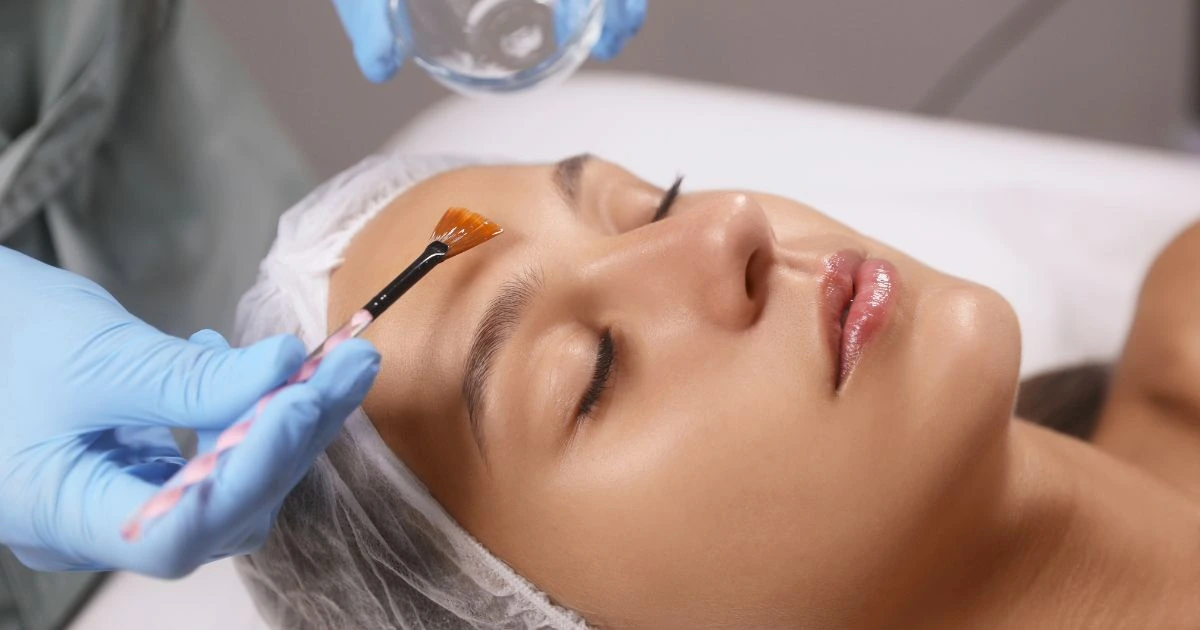
Table of Contents
If you’ve ever looked in the mirror and noticed dull skin, fine lines creeping in, or uneven tone that makeup doesn’t quite cover, you’re not alone. Many women in Parkersburg, WV, are seeking a treatment that delivers results beyond what at-home scrubs and creams can offer. A professional chemical peel is one of the most trusted ways to refresh and resurface the skin, but one common question arises: how often can you safely get one?
At Icon Aesthetics, we see clients who are eager for glowing results but also cautious about overdoing it. Whether you’re battling early signs of aging, tired of short-term fixes, or simply curious about long-term skin maintenance, understanding peel frequency is key to achieving your skincare goals without risk.
What Is a Chemical Peel?
A chemical peel is a professional exfoliation treatment that uses a medical-grade solution to remove the outer layers of the skin gently. Depending on the strength, it can target the surface or penetrate deeper to address stubborn issues. Think of it as a controlled resurfacing treatment that stimulates cell turnover and reveals fresher, healthier skin underneath.
Unlike basic scrubs, peels encourage real regeneration. They’re often used to improve fine lines, sun damage, acne scars, uneven tone, and overall skin texture. This is why many people consider them an essential part of ongoing skin resurfacing and anti-aging care.
Benefits of Chemical Peel
The benefits of a facial peel go beyond surface-level exfoliation. Clients often notice:
- A brighter, more even complexion
- Smoother texture with fewer fine lines
- Fading of acne scars and dark spots
- Clearer pores and reduced breakouts
- Increased absorption of skincare products
But the advantages extend further. Over time, regular peels stimulate collagen production, helping skin stay firmer and more youthful. They also encourage a more even skin tone by reducing sun damage and pigmentation, something that topical creams rarely achieve on their own.
For those who struggle with acne, lighter peels can reduce excess oil, unclog pores, and minimize post-acne marks. For adults focusing on anti-aging, peels provide a non-invasive way to keep skin resilient and glowing. Many clients view them as a long-term investment in their appearance and confidence.
Who Is This Best For?
Professional peels are versatile and can work for a wide range of people.
- Age ranges: Most clients fall between their late 20s and 50s, though younger adults with acne concerns also benefit.
- Skin types: While most skin types can safely receive a peel, the solution is customized to match your sensitivity level and goals.
- Treatment goals: Those focused on reducing wrinkles, softening scars, or maintaining a radiant glow find consistent results with peels.
- Lifestyle considerations: If you’re someone who values visible improvements without surgery or excessive downtime, a peel fits seamlessly into your schedule.
Imagine a busy mom looking for a quick treatment with minimal downtime before family photos, or a bride-to-be preparing her skin for wedding day radiance. Peels can be adjusted for both situations. Even those with sensitive skin can benefit from gentle formulations under professional care.
If you’ve been on the fence, know that treatments are adaptable. From lighter glycolic peels to stronger corrective peels, the right level can be chosen based on your comfort and needs.
Your Chemical Peel Experience
Understanding what happens before, during, and after a peel helps set realistic expectations.
Pre-treatment prep
Your provider may recommend avoiding certain skincare products (like retinol, exfoliants, or harsh cleansers) for several days before your session. Staying well-hydrated and applying sunscreen regularly helps your skin respond better to treatment.
Treatment day
The process typically takes 30–45 minutes. After cleansing, the peel solution is applied and left on for a short time. You may feel tingling or warmth, but discomfort is minimal. Many people compare it to a light sunburn sensation.
Downtime and recovery
- Light peels: Expect mild redness and flaking for 2–3 days.
- Medium peels: You may notice peeling and sensitivity for about a week.
- Deep peels: Longer recovery but more dramatic results.
Aftercare is just as important as the peel itself. Gentle moisturizers, daily SPF, and avoiding picking at flaking skin ensure smoother, healthier results.
When results show
Radiance often appears within a week as dead skin sheds. Deeper improvements like fading scars or smoothing wrinkles become visible after multiple sessions. Results can last several months, depending on your skincare routine and sun exposure.
How Often Can You Get a Chemical Peel?
The answer depends on the type of peel and your personal skin goals.
- Light peels (such as glycolic or lactic acid): Every 4–6 weeks. These are gentle enough to be part of a monthly skincare routine.
- Medium peels (such as TCA peels): Every 3–6 months. They penetrate deeper and require more healing time.
- Deep peels (phenol-based): Once every few years. These are reserved for advanced concerns and deliver dramatic, long-lasting changes.
For most people in Parkersburg, maintaining results means scheduling a lighter peel monthly or quarterly, combined with good at-home care. Your provider at Icon Aesthetics will create a plan that balances safety with your desired outcome.
Frequently Asked Questions
Will my skin be extremely red and flaky after every peel?
Not always. Light peels often cause only mild flaking, while deeper peels bring more visible shedding. The level of peeling depends on the strength of the solution.
Can I get a peel during the summer?
Yes, but strict sun protection is a must. Many clients schedule their treatments during the cooler months when sun exposure is lower, but year-round peels are safe with proper use of SPF.
Do peels thin the skin over time?
No. In fact, they stimulate the production of new collagen, which in turn strengthens the skin. The shedding of dead cells reveals healthier layers underneath.
Are at-home peel kits the same as professional ones?
Not quite. Over-the-counter kits are much weaker. Professional peels utilize medical-grade solutions, applied by trained providers, for noticeable results.
Can I combine peels with other treatments?
Yes. Many clients enhance results by pairing peels with treatments like microneedling or facials, depending on skin goals.
Can chemical peels help with acne?
Yes. Light peels can reduce oil buildup, unclog pores, and minimize post-acne marks. They are often part of an acne management plan.
How soon can I wear makeup after a peel?
With light peels, makeup can usually be applied the next day. With medium or deeper peels, it’s best to wait several days until flaking subsides to avoid irritation.
Start Your Skin Refresh Today
Consistent professional care is the difference between quick fixes and long-term skin health. If you’ve been considering a chemical peel but weren’t sure how often it’s safe, the best step is to talk with an expert who understands your skin type, lifestyle, and goals.At Icon Aesthetics in Parkersburg, WV, we offer a range of medical-grade peels that can be scheduled at safe intervals to help you look refreshed year-round. Get expert guidance on your chemical peel schedule—contact us now.